Why Keys Snap — and Why Your Lock Type Matters
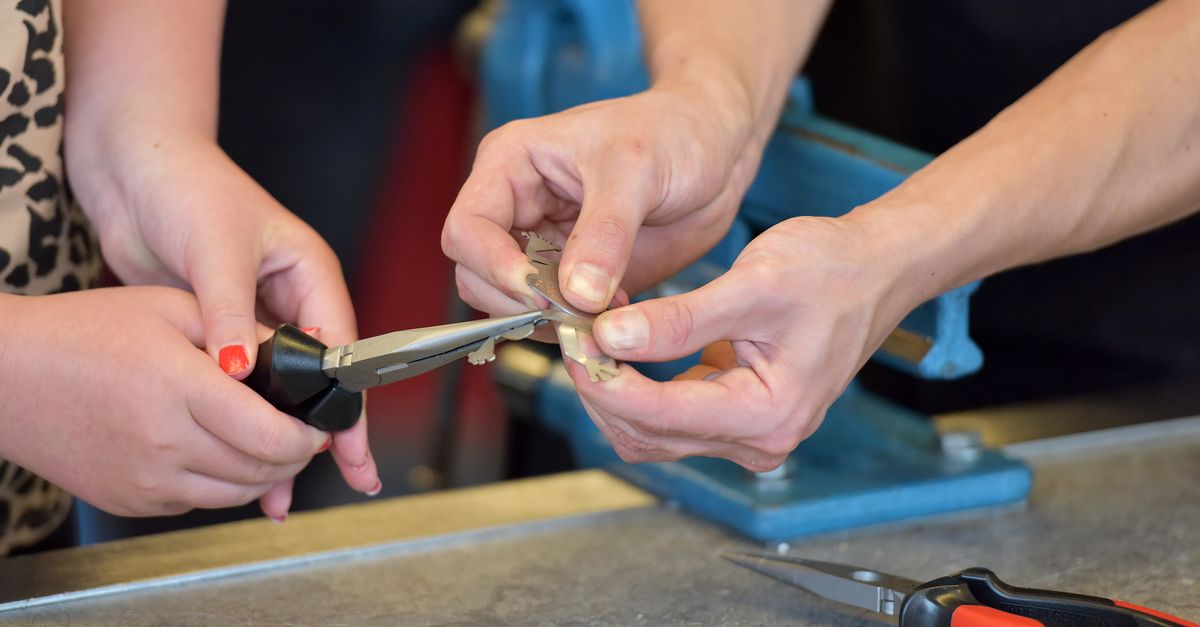
Car keys break for several overlapping reasons: metal fatigue from years of daily use, a hairline crack that went unnoticed, attempting to turn the key before the steering column lock fully releases, or using a worn key in a stiff lock cylinder. What most drivers do not realize is that the design of the lock itself plays a major role in how difficult extraction will be. A standard door knob lock on a vehicle uses a relatively simple pin-tumbler mechanism, while an ignition cylinder is a more complex barrel with wafers or disc tumblers under spring tension. If the broken key fragment is rotated even slightly from the neutral position, those internal components grip the metal, making removal significantly harder. Our technicians assess the lock type and key position before selecting the right extraction approach — because forcing a tool into the wrong style of cylinder causes the very damage we are trying to help you avoid.
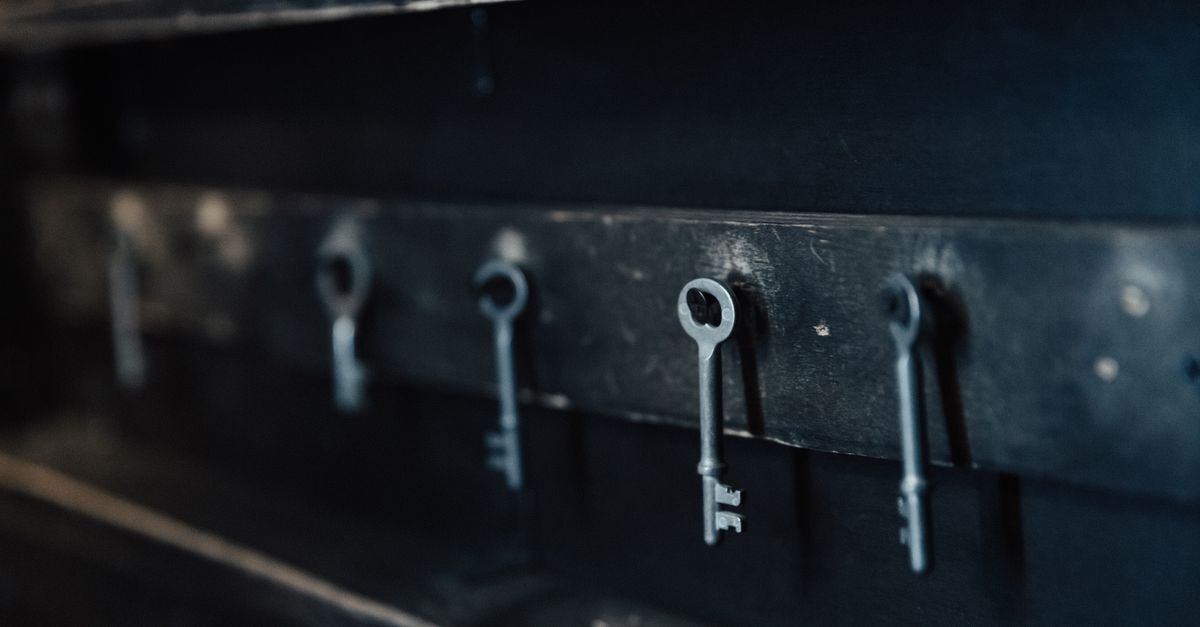
It is also worth noting that many older vehicles and certain European models use a mortise lock style cylinder configuration — a design originally common in commercial and residential hardware but adapted for some automotive applications. Mortise lock cylinders have a distinct internal geometry that requires a different extraction profile than a standard pin-tumbler. Scarsdale Locksmiths technicians are experienced with the full range of automotive lock formats, including mortise lock variants, so regardless of what you drive — a domestic sedan, a European import, or a commercial fleet vehicle — we come prepared with the right tools for the job.