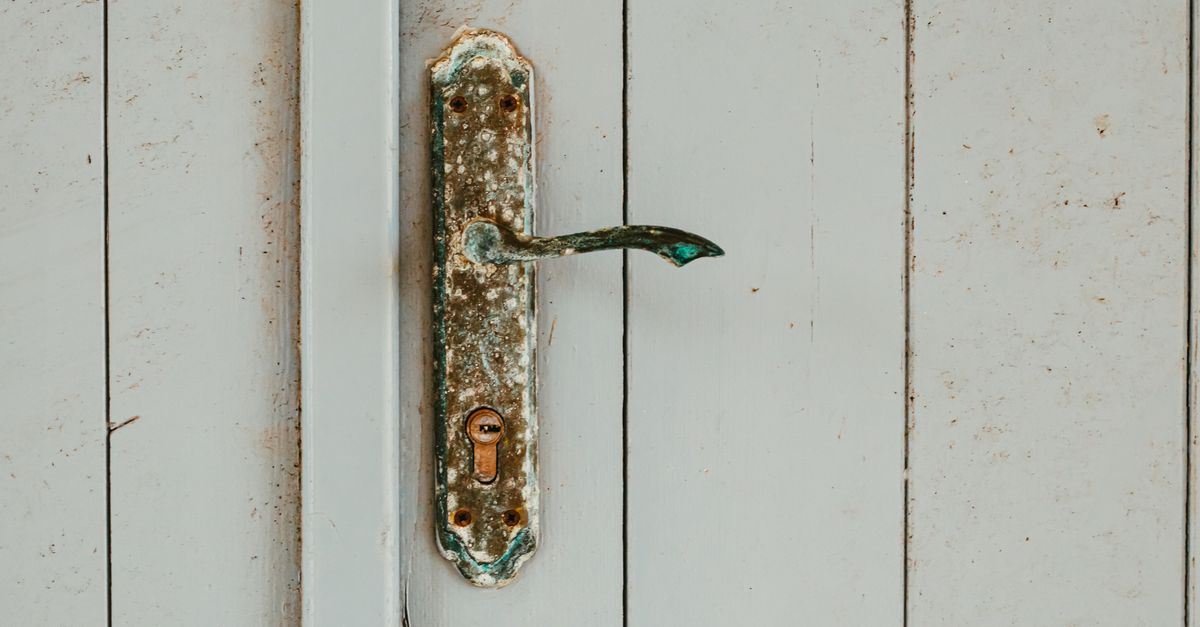
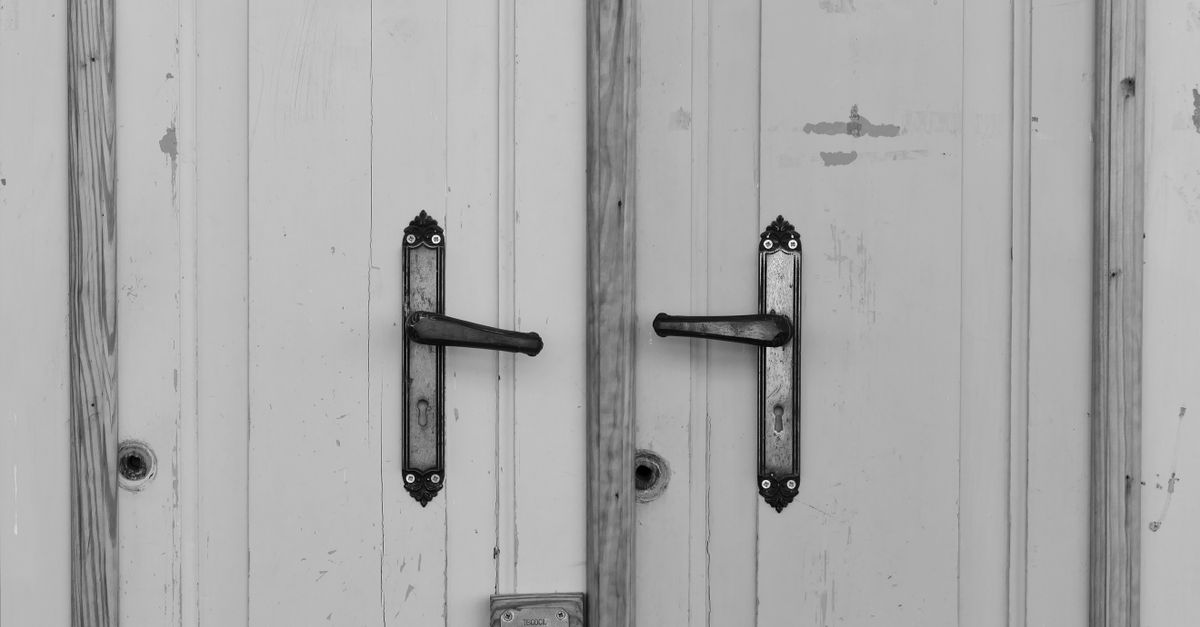
What Is a Mortise Lock and Why Older Scarsdale Homes Rely on Them
A mortise lock is a complete, self-contained locking mechanism — latch bolt, deadbolt, and often a privacy function — all housed in a single rectangular metal case that sits recessed inside the door itself. Unlike a cylindrical bored lockset, which requires only a pair of round holes drilled through the door face, a mortise system requires a long, narrow pocket mortised into the door's edge. This deeper installation distributes force across a much wider area of the door frame, which is a big reason why so many pre-war homes in Scarsdale still have original mortise hardware that outlasted three or four generations of residents. The mortise lock set on your 1928 Colonial was designed to last — but 'designed to last' and 'maintenance-free forever' are two different things.
Over decades, the internal cam that drives the latch can wear, the deadbolt throw can become sluggish from dried lubricant or a subtly racked door frame, and the mortise lock cylinder — the plug that your key actually turns — can develop shear-line wear that makes the key hard to turn or easy to manipulate. Settlement is also a factor in Westchester's older building stock: as foundations shift slightly over time, doors that once swung perfectly begin to bind, putting lateral stress on latch bolts and eventually on the lock body itself. These aren't cosmetic issues. They're security vulnerabilities that our mobile technicians can diagnose at your door, without you having to remove hardware and bring it to a shop.