Why a Proper Deadbolt Installation Is Not a DIY Project
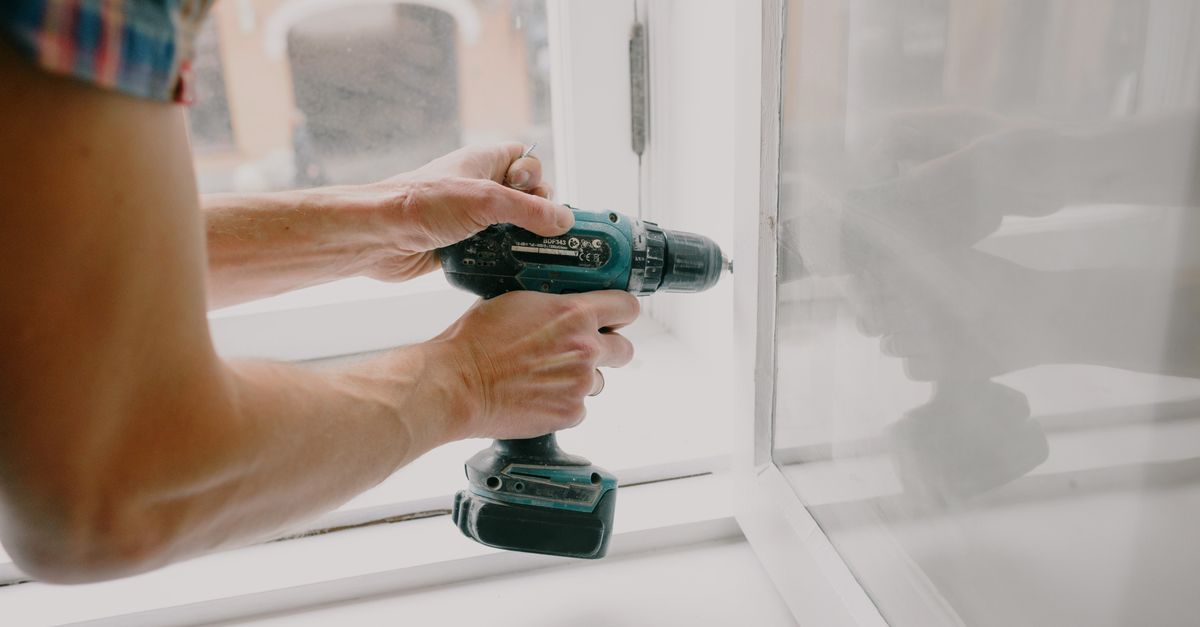
A deadbolt looks simple from the outside — a cylinder, a bolt, a strike plate. In practice, the difference between a correctly installed deadbolt and a poorly fitted one is enormous. A bolt that sits even a few millimeters out of alignment with the strike plate can be forced open with surprisingly little pressure. A strike plate anchored with short screws into the door casing — rather than long screws driven into the structural stud behind the jamb — offers little real resistance. These are not hypothetical problems; they are the two most common failure points our technicians find when called out after a forced entry. On older Scarsdale homes with wooden door frames that have shifted or swollen over decades, those tolerances matter even more. Our skilled technicians measure the door thickness, edge distance, and backset before selecting the right lock body, bore the cutouts cleanly, and seat the strike plate with three-inch structural screws that anchor into the framing — not just the trim.
We also take the time to assess whether your door and frame are actually capable of holding the lock you want. A solid-core door with a reinforced steel frame accepts a Grade 1 deadbolt beautifully. A hollow-core interior door being used as an exterior door — which we do occasionally encounter — needs a frank conversation before any hardware goes on it. That kind of honest assessment is part of every service call.